

Synthesis, structure and application of bio-binders for electrodes and refractories in the metallurgical process industries
As the metal and steel industries work to reduce fossil dependency, sustainable alternatives to coal‑based binders are of interest for evaluation. Coal tar pitch is a critical component in electrode pastes, ramming mixes, and magnesia‑carbon bricks, yet it also contributes significantly to CO₂ emissions. This project investigated the potential to replace coal tar pitch with pyrolytic lignin – a biobased binder derived from Swedish lignocellulosic biomass. Overall, the results demonstrate that such an alternative is not only technically feasible but also economically competitive, making it a promising step toward more sustainable metallurgical processes.
The project addressed the decarbonization of fossil-based carbon binders used in non-reductive applications in the metallurgical and steel industries. These applications — including Söderberg electrode pastes, ramming pastes, and magnesia-carbon bricks — rely heavily on coal tar pitch and other fossil-derived materials, contributing to the sector’s carbon footprint.
The project successfully investigated the substitution of coal tar pitch with pyrolytic lignin derived from the fractionation of bio-oil produced via fast pyrolysis of Swedish lignocellulosic biomass. The objective was to demonstrate the technical and economic feasibility of implementing a bio-based binder in industrial electrode and refractory applications.
The main challenge was to develop a bio-based binder that, while not fully matching the thermophysical performance or graphitizability of coal tar pitch, could partially or fully replace it without compromising key functional properties.
The key results achieved were:
- Pyrolytic lignin exhibited wettability on petroleum coke comparable to coal tar pitch. After carbonization, its reactivity toward CO₂ was slightly higher, indicating comparable functional performance.
- A reduced iron powder-based catalyst, compatible with industrial Söderberg electrode paste manufacturing for ferroalloy production, promoted the formation of ordered carbon structures with a high degree of graphitization.
- The feasibility of producing baked Söderberg electrode prototypes using binder systems combining pyrolytic lignin with fossil aggregates was demonstrated. The resulting electrodes showed mechanical, thermal, and electrical properties comparable to those produced with coal tar pitch.
- A preliminary techno-economic assessment of integrated pyrolytic lignin production via thermochemical biomass fractionation at electrode paste production sites confirmed economic viability. Estimated rates of return were within typical hurdle rates for biomass processing plants, and projected electrode paste prices were competitive.
Together, these results demonstrated the technical feasibility and economic potential of partially substituting fossil-based binders in metallurgical carbon applications with bio-based alternatives.
Further development is required to advance toward industrial implementation. Future work should focus on:
- Optimization of the biomass fractionation process to obtain pyrolytic lignin with improved properties, including reduced odor, higher thermal stability, a broader plasticity window, stable viscosity, and more uniform composition.
- Development of alternative catalysts based on ordered carbon structures (e.g., graphene oxide) that eliminate the need for post-baking catalyst removal.
- Large-scale preparation and validation of Söderberg electrode prototypes containing catalyst-modified binder blends under relevant industrial operating conditions.
- Comprehensive life cycle assessment to quantify the environmental benefits of substituting coal tar pitch with pyrolytic lignin.
The project results were disseminated through three international conferences and one workshop. Outputs included one published literature review and two additional manuscripts prepared during the project. Dissemination targeted producers of aluminum, iron and steel, silicon and ferroalloys, carbon refractories, as well as biomass suppliers and processors.
Björn Glaser
KTH Royal Institute of Technology

bjoerng@kth.se
Project information
Participants
KTH
Elkem Carbon Solutions
Intocast
Time schedule
November 2022 - October 2025
Total cost of project
5 806 582 SEK
Swedish Energy Agency project number
2022-00579
More projects
Develop and prepare for commercialization of the surfactant sodium suberin hydrolyzate from industrial birch bark
The circular bioeconomy is focused on a sustainable and resource-efficient use of biomass as residues and waste and to optimize its value…
Manager: Peter Skagerlind
Completed: 2024-12-04
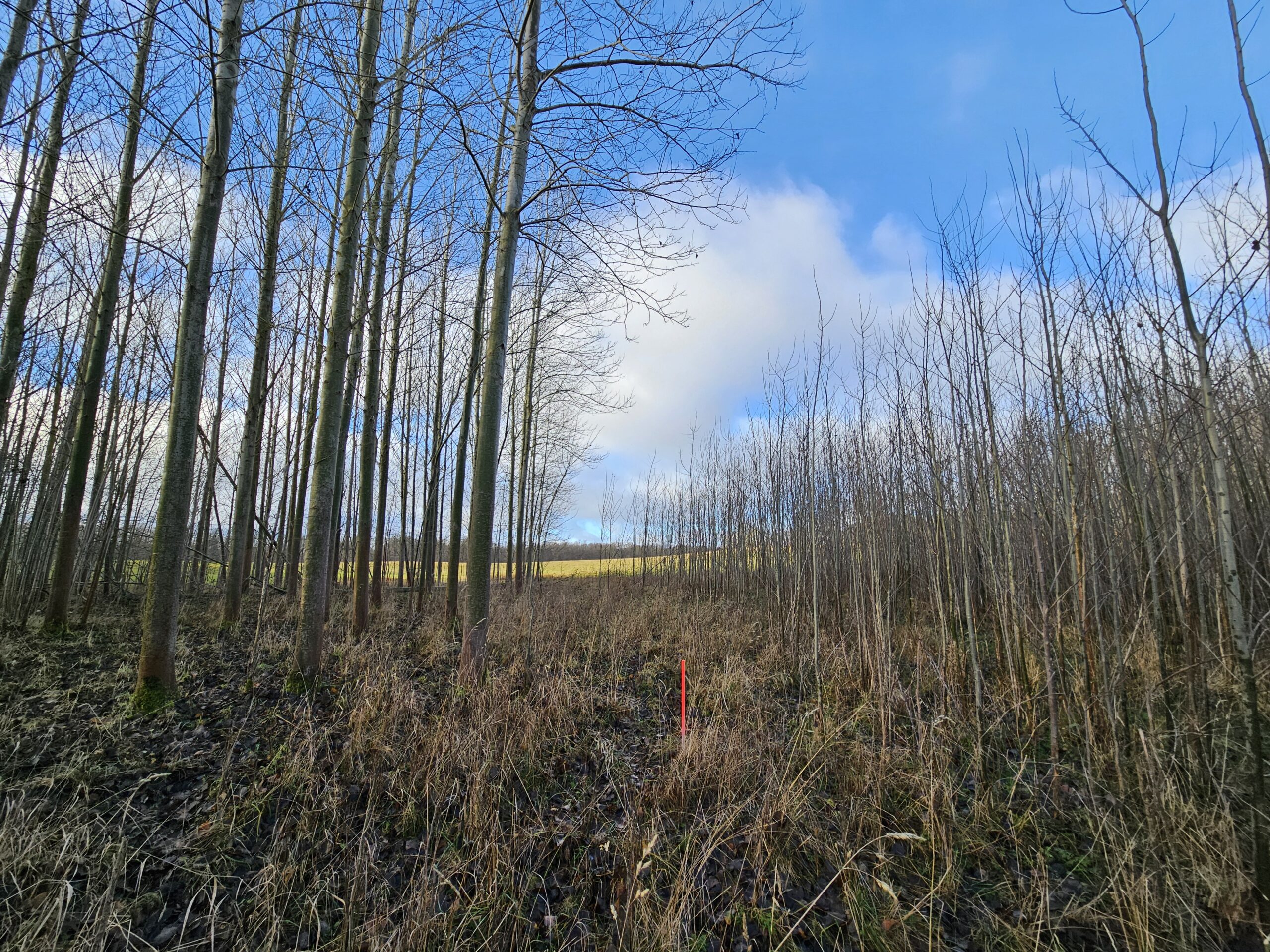
Sustainable cultivation of root suckers regenerated hybrid aspen – Nutrient extraction and plant available nutrients in soil
Hybrid aspen is a fast-growing deciduous tree that can contribute to increasing the supply of bio-based raw materials to Sweden’s energy system….
Manager: Nils Anders Fahlvik
Ongoing
Bioflex – biobased energy carriers and their contribution to a flexible energy system
Bioflex aims at increasing the flexibility, redundancy, and robustness of the energy system by integrating biobased energy carriers (biohydrogen/biogas) with electrolytic hydrogen….
Manager: Erika Lönntoft
Ongoing