


Forest of all values – Methods for inventory and valuation of the forest’s various benefits
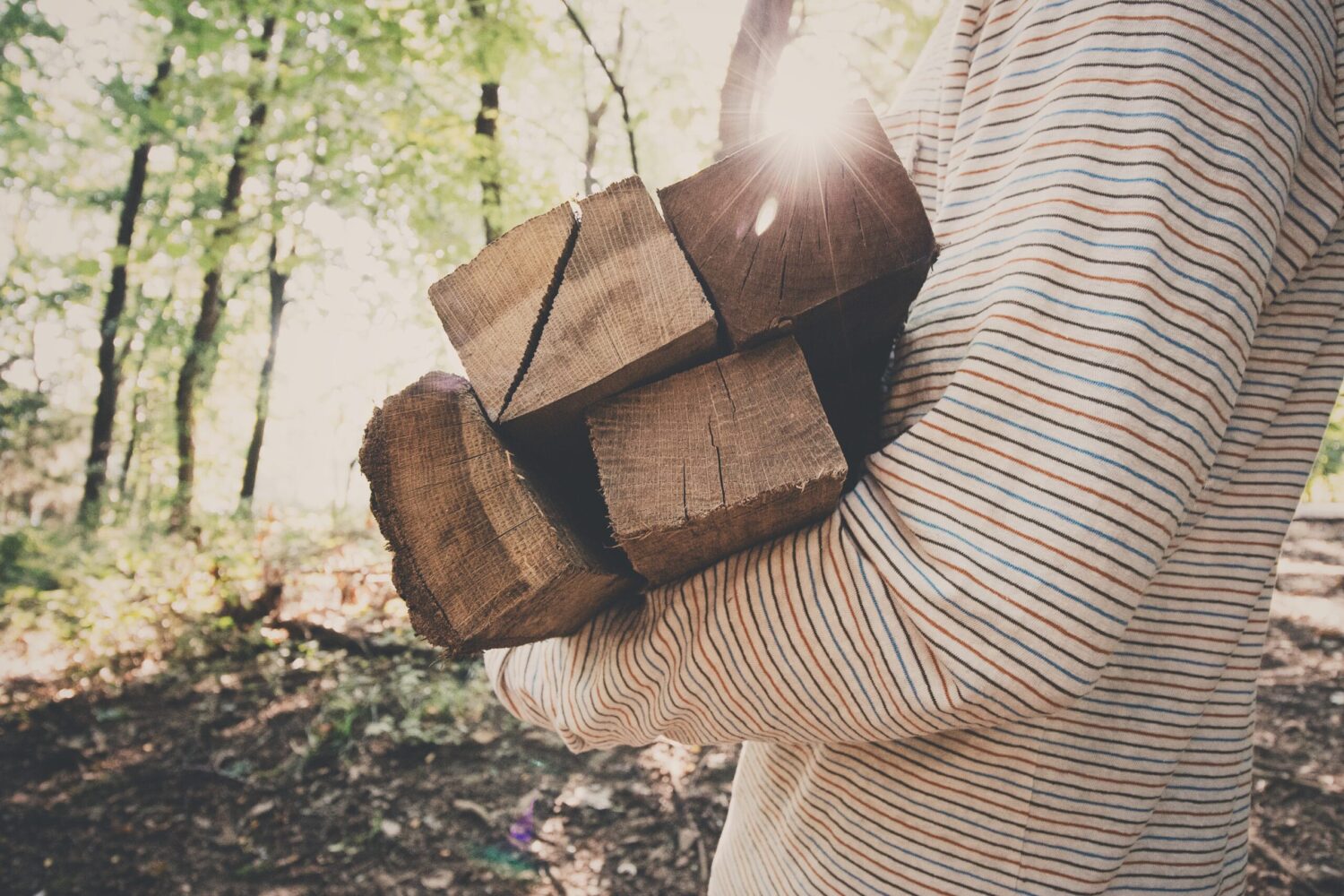
The overall goal of the project has been to develop methods and decision-support tools that make it possible to identify, quantify, and balance the forest’s economic, ecological, and social values within forestry planning. The starting point was the need for better data to manage trade-offs between timber production, bioenergy, climate benefits, biodiversity, and recreation. Through three integrated sub-studies; prediction of natural values, prediction of recreation potential, and scenario analysis of alternative management strategies, the project has produced practical tools that enable more differentiated and knowledge-based land use.
The results show that, using largely existing digital data, it is possible to predict forest natural values with high accuracy, particularly in pine forests where the model identified approximately 85–91 % of stands with high natural values. Stand age emerged as the single most important variable, meaning natural values can largely be screened early in the planning process. This creates the conditions to direct field inventories to the correct areas and to identify core values and dispersal corridors from a landscape perspective.
The model is not intended to replace field inventories but serves as a cost effective prioritization tool. The project has also created a GIS-based decision support tool to estimate the suitability of forests for outdoor recreation by operationalizing research on people’s forest preferences. The decision-support tool consists of six indicators (tree size, forest type, soil moisture, topography, noise, and adjacent land cover) that are combined into a recreation index. This makes it possible to identify recreation hotspots, plan forest management to benefit outdoor life, and integrate social values into the same decision-making processes as production and natural values.
To study how different forest values could be balanced during inventory, valuation, and visualization—by applying the developed methods and quantifying the economic consequences—a case study was conducted on a forest property in central Sweden. “Skogshubben” (Ecotype 2026) was used to manage the property’s forest management plan, edit management measures, and calculate timber yields, costs, and revenues. The scenario analysis in the case study shows that targeted management can strengthen natural and recreational values but involves reduced timber revenues in the short term. The natural value strategy reduced the net present value by approximately 11% at the property level, while the recreation strategy resulted in a corresponding reduction of approximately 13%. After 30 years, the alternative strategies had about 10% higher carbon stocks than the conventional scenario. The results thus clarify the economic trade-offs but also demonstrate climate synergies linked to longer rotation periods that yield larger volumes of standing biomass.Overall, the project demonstrates that a differentiated landscape strategy, where production is concentrated in stands with low natural and recreational values, and other areas are managed for biodiversity, climate, and social benefits, can increase the total societal benefit from the forest. The new knowledge lies in the fact that natural and recreational values can now be analyzed quantitatively and spatially explicitly with methods that are scalable and accessible to both large and small forest owners.
The project lays a foundation for more transparent and balanced trade-offs in forestry and contributes to the development of a sustainable energy system where climate benefits, biodiversity, and social values can be united.
Here you can find the complete list of publications from the project.

Maria Iwarsson Wide
Skogforsk

maria.iwarssonwide@skogforsk.se
Project information
Participants
Skogforsk
Sveaskog
Skogssällskapets Förvaltning AB
Skogsägarna Mellanskog
Time schedule
January 2023 - December 2025
Total cost of project
4 949 690 SEK
Swedish Energy Agency project number
2022-00584
More projects
Energy efficient fossil-free aviation for regional public transportation in support of a green transition (NORRFLYG)
In northern Sweden, the ongoing green industrial transition is creating a growing need for transport solutions for labor, experts, and equipment. Meeting…
Manager: Jonas Westin
Completed: 2026-05-13

Biological methanation – Development opportunities for existing biogas plants
The project aims to increase Swedish biogas production through biological methanation at existing plants. The technology converts carbon dioxide present in raw…
Manager: Ida Norberg
Ongoing

FUSE – Assembling C6 furans that are sustainable by C5 bio-based value chains using bioelectrochemistry and CO2
The main goal of the FUSE project is to generate knowledge and green technologies to enable assembly of sustainable furan platform chemicals…
Manager: Per-Olof Syrén
Ongoing