


From forest to low greenhouse gas jet fuels with a developed catalytic pyrolysis technology

Bio-oils produced from wood by existing conversion technologies (e.g. pyrolysis) are incompatible with current jet engines and fuel infrastructure. Bio-oil instability, corrosivity, high viscosity, and low energy density are significant barriers to using bio-oil as jet fuel, necessitating its upgrading.
This project aims to develop an efficient fast pyrolysis process for converting waste wood into jet biofuels. A novel structured zeolite catalyst (hierarchical and nano-sized crystals) will be designed and engineered in a customized process (steam cracking, hydrocracking and catalytic cracking) to produce a new biofuel in high yield and quality.
In this project, RISE together with LTU will examine such a process for an efficient conversion of forestry residues into jet biofuels. New jet biofuels produced sustainably in Sweden from existing forestry residues enables the substitution of fossil jet fuels with biofuels reducing GHG emissions reaching the zero CO2 emissions goal by 2050.

Hoda Shafaghat
RISE Research Institutes of Sweden

hoda.shafagat@ri.se
Project information
Participants
RISE Research Institutes of Sweden
Luleå university of Technology
Time schedule
January 2022 – December 2024
Total cost of project
3 816 405 SEK
Swedish Energy Agency's project number
2021-00086
More projects
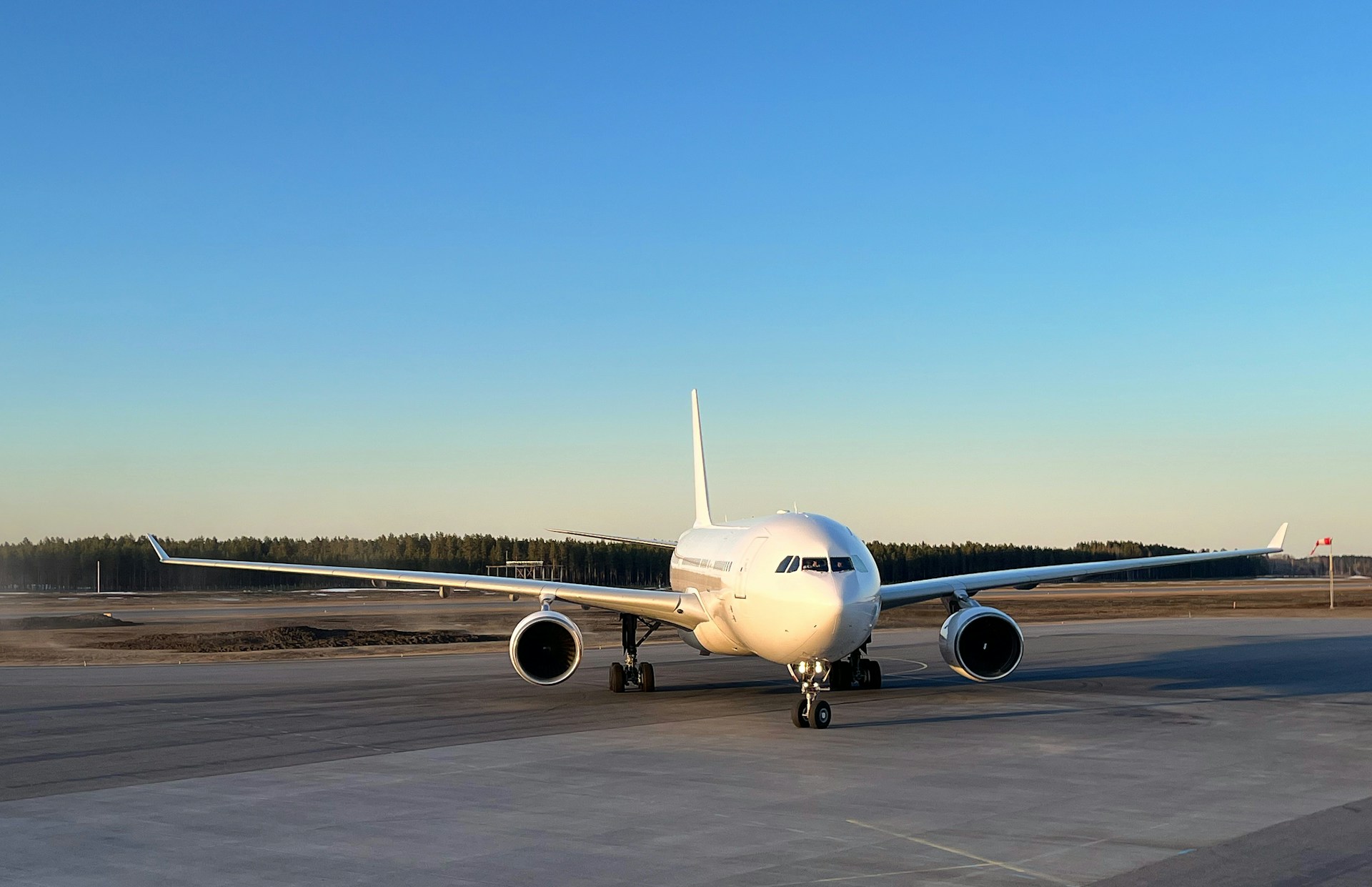
Energy efficient fossil-free aviation for regional public transportation in support of a green transition (NORRFLYG)
In northern Sweden, the ongoing green industrial transition is creating a growing need for transport solutions for labor, experts, and equipment. Meeting…
Manager: Jonas Westin
Completed: 2026-05-13

Copper smelter slag as bed material in fluidized bed combustion
This project examines the possibility to use granulated copper-smelter slag, järnsand in Swedish, as bed material in fluidized-bed combustion. Järnsand is a…
Manager: Magnus Rydén
Ongoing
Wood powder burners in direct-heated grain dryers for increased resource efficiency and lower CO2 emissions, stage 2
Long-term test and evaluation in a large scale real environment drying is done with combustion heat in dryers that supply heat directly…
Manager: Anders Lindgren
Ongoing