

Potential value chains for bio-based plastics
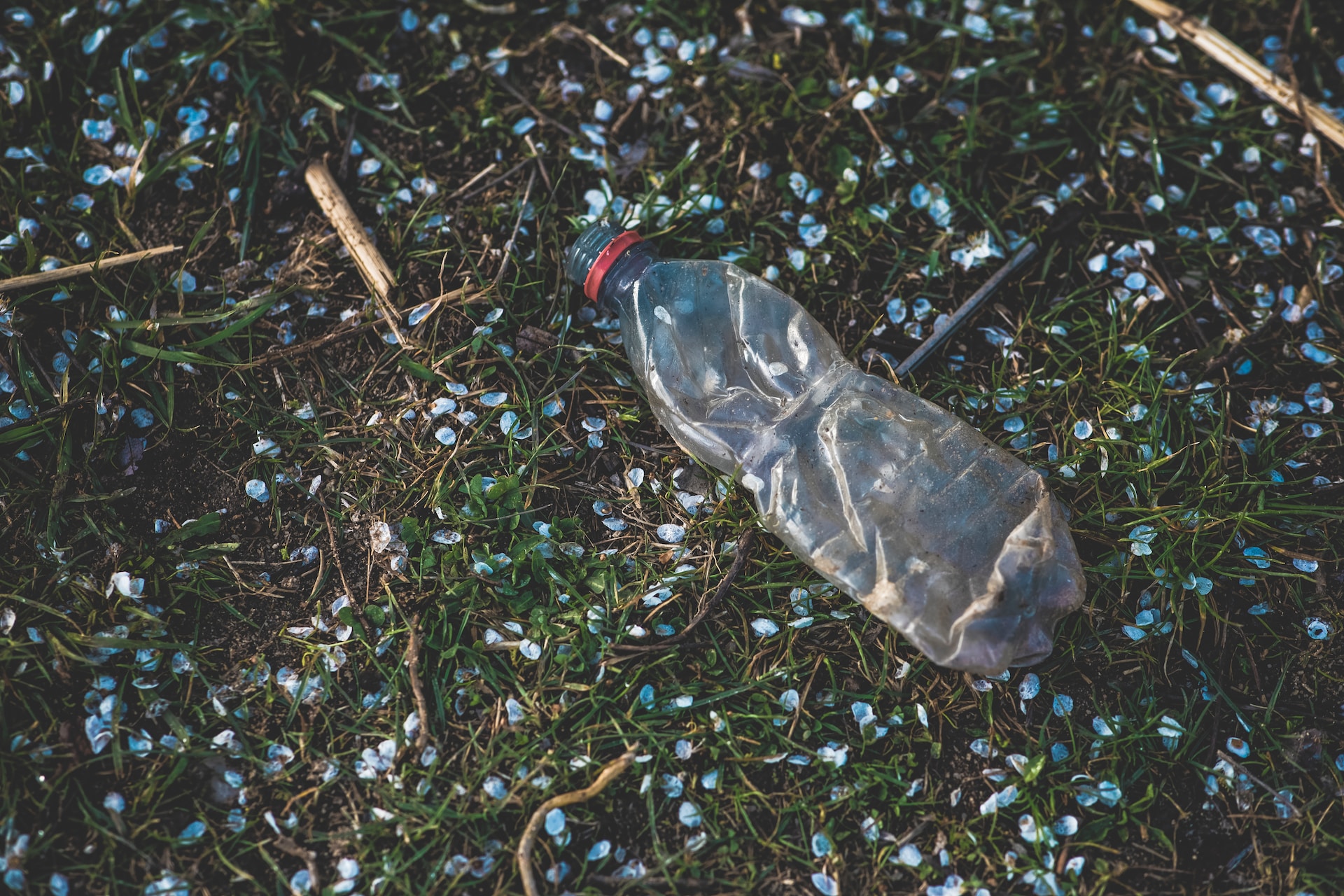
There is currently a lack of suitable bio-based raw material to cover the need and demand that exists for bio-based plastics. In this project, a survey will be made of available and suitable bio-based raw materials, preferably in the form of side- or residual streams, from a Swedish and European perspective.
The project will also identify which subsequent process steps are required to produce the demanded monomers, as well as evaluate and compare these processes from a systems perspective.
The project includes an overall mapping of the so-called drop-in plastics as well as two more targeted work packages around the bio-based plastics polyethylene furanoate (PEF) and polylactic acid (PLA), both considered to have great potential.

Kerstin Jedvert
Chalmers Industriteknik

kerstin.jedvert@chalmersindustriteknik.se
Project information
Participants
Chalmers Industriteknik
Time schedule
October 2023 - December 2024
Total cost of project
1 350 000 SEK
Swedish Energy Agency project number
2023-00838
More projects
Synthesis, structure and application of bio-binders for electrodes and refractories in the metallurgical process industries
As the metal and steel industries work to reduce fossil dependency, sustainable alternatives to coal‑based binders are of interest for evaluation. Coal…
Manager: Björn Glaser
Completed: 2026-01-31
Biorefining of forest residues for production of fossil free aviation fuels by a two-step process – Enhancing process aromatic selectivity
This project focuses on the development of a novel two-step process of forest residual materials to produce fossil free jet fuels. It…
Manager: Louise Olsson
Ongoing

Climate impact of carbon efficient forest-based value chains
This project explores how Sweden’s forest residues and industrial side-streams can be more efficiently utilized to produce renewable fuels and deliver negative…
Manager: Olivia Cintas Sanchez
Completed: 2026-01-19