


Efficiently using bioenergy through a modular fuel and load flexible combined heat and power system based on a modern steam engine
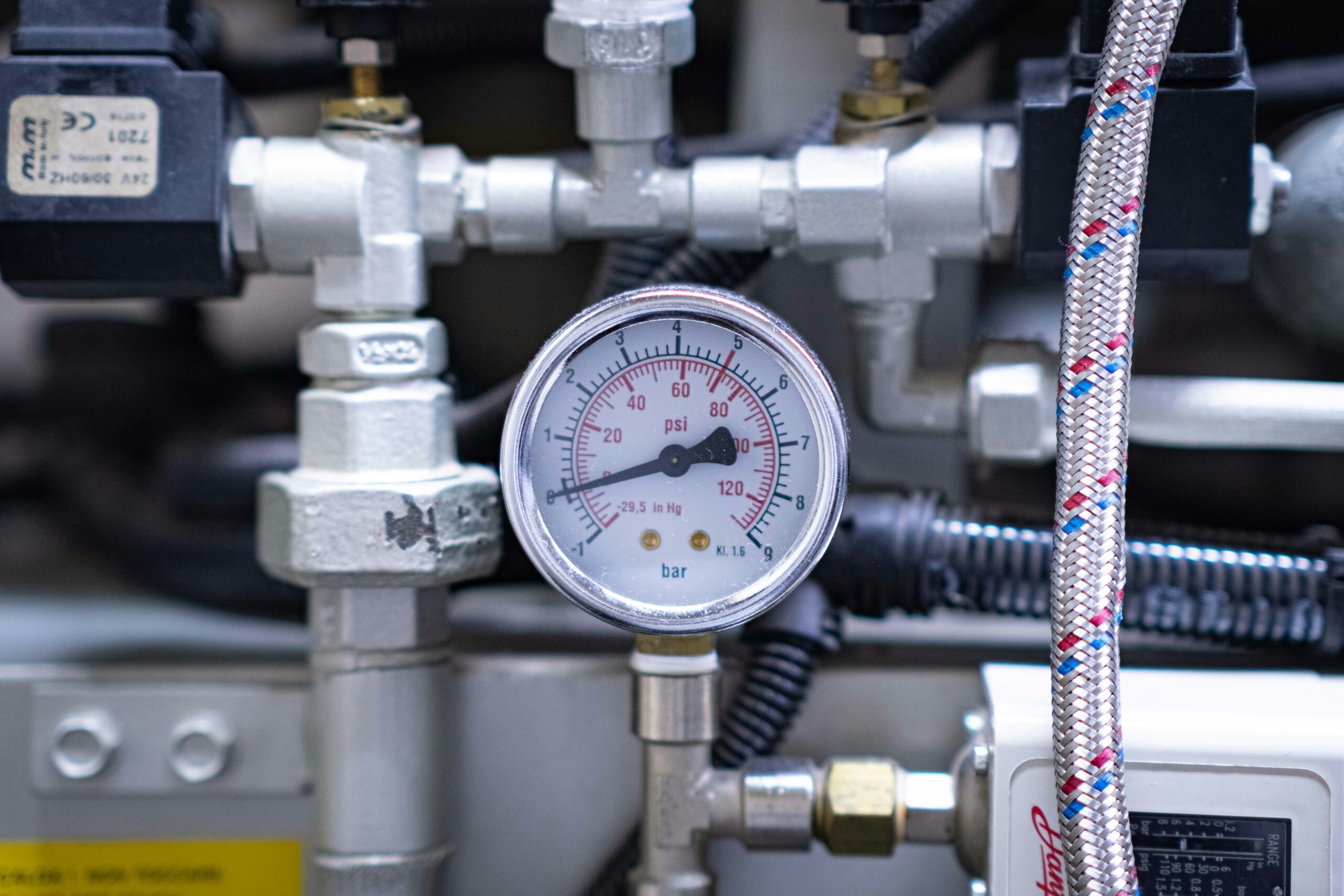
Efficiently using biowaste to meet electricity and heat demands in farms is becoming critical for achieving future fossil free agriculture. The project aims to develop, test and validate a modular fuel and load flexible combined heat and power (CHP) system that is based on an innovative modern steam engine to decarbonize the agricultural and industrial sectors. By integrating a dual-fuel burner with the steam engine, almost all forms of biofuel can be simply used to meet the heat and power demands in the farms at lower costs than other solutions. The CHP system will be developed based on a close collaboration between KTH, Ranotor, Maston, and two end-users. The goal is to demonstrate the system that can provide required electricity and heat in a typical Swedish farm with a total thermal efficiency above 80% and an electrical efficiency above 30%. A techno-economic analysis will be conducted to assess the market potential of the CHP system all over the world.
Photo: Anton Savinov, Unsplash

Wujun Wang
Kungliga Tekniska Högskolan

wujun@kth.se
Project information
Participants
Kungliga Tekniska Högskolan
Maston AB
RANOTOR Utvecklings AB
Time schedule
April 2026 - December 2028
Total cost of project
9 079 443 SEK
Swedish Energy Agency project number
2025-04942
More projects

Biochar stability validation – reaching a new level of understanding and transparency
Biochar produced from biomass has large potential to provide negative greenhouse gas emissions as a stable carbon sink in soil. A major…
Manager: Cecilia Sundberg
Ongoing
Maximizing Biogas production with Post-treatment applications
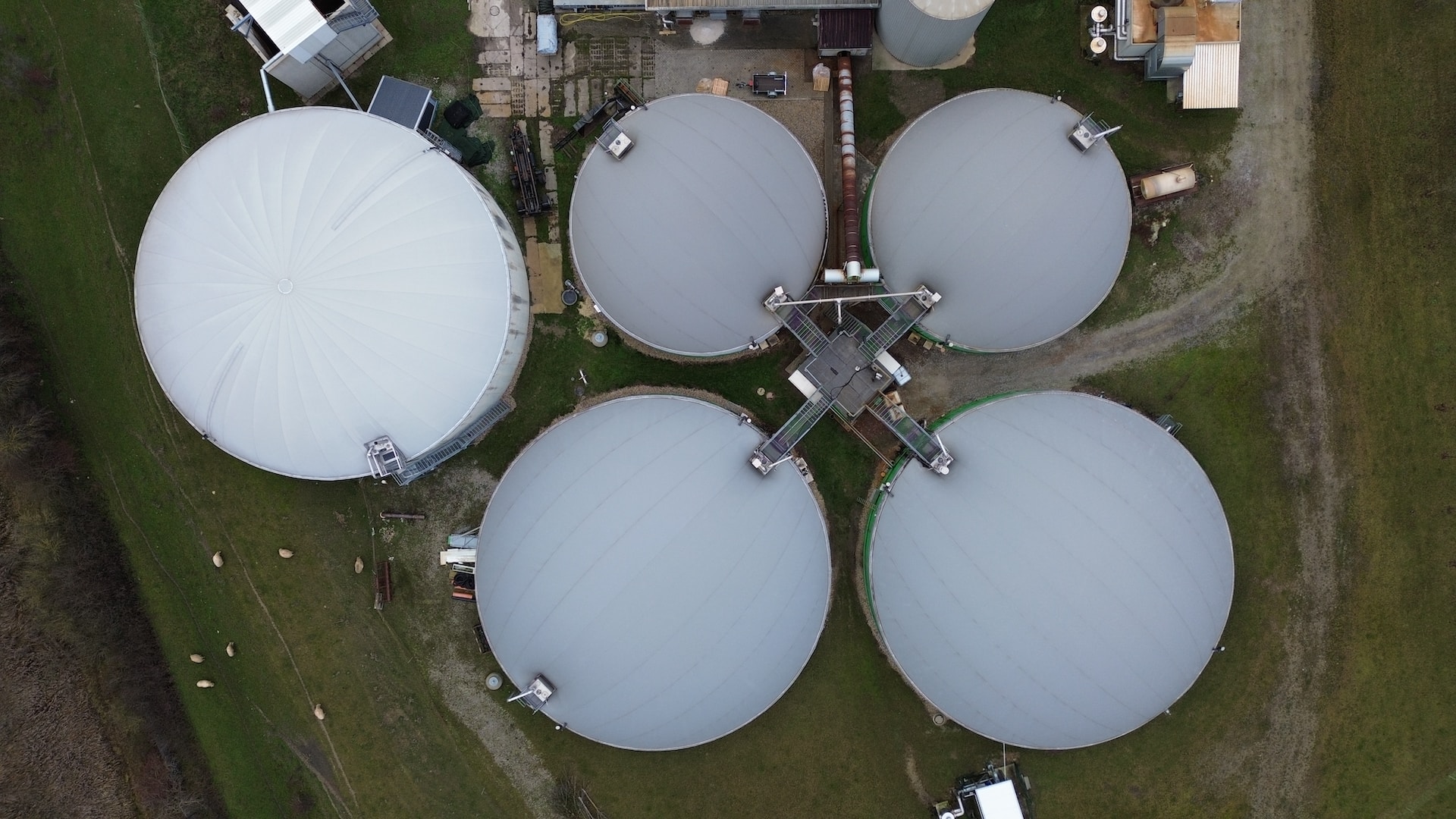
Anaerobic digestion is a sustainable process that combines waste management, nutrient recycling and clean energy production. However, a significant portion of the…
Manager: Alex Enrich Prast
Ongoing

From forest to low greenhouse gas jet fuels with a developed catalytic pyrolysis technology
Bio-oils produced from wood by existing conversion technologies (e.g. pyrolysis) are incompatible with current jet engines and fuel infrastructure. Bio-oil instability, corrosivity,…
Manager: Hoda Shafaghat
Ongoing