


Maximizing biogas production with post-treatment applications
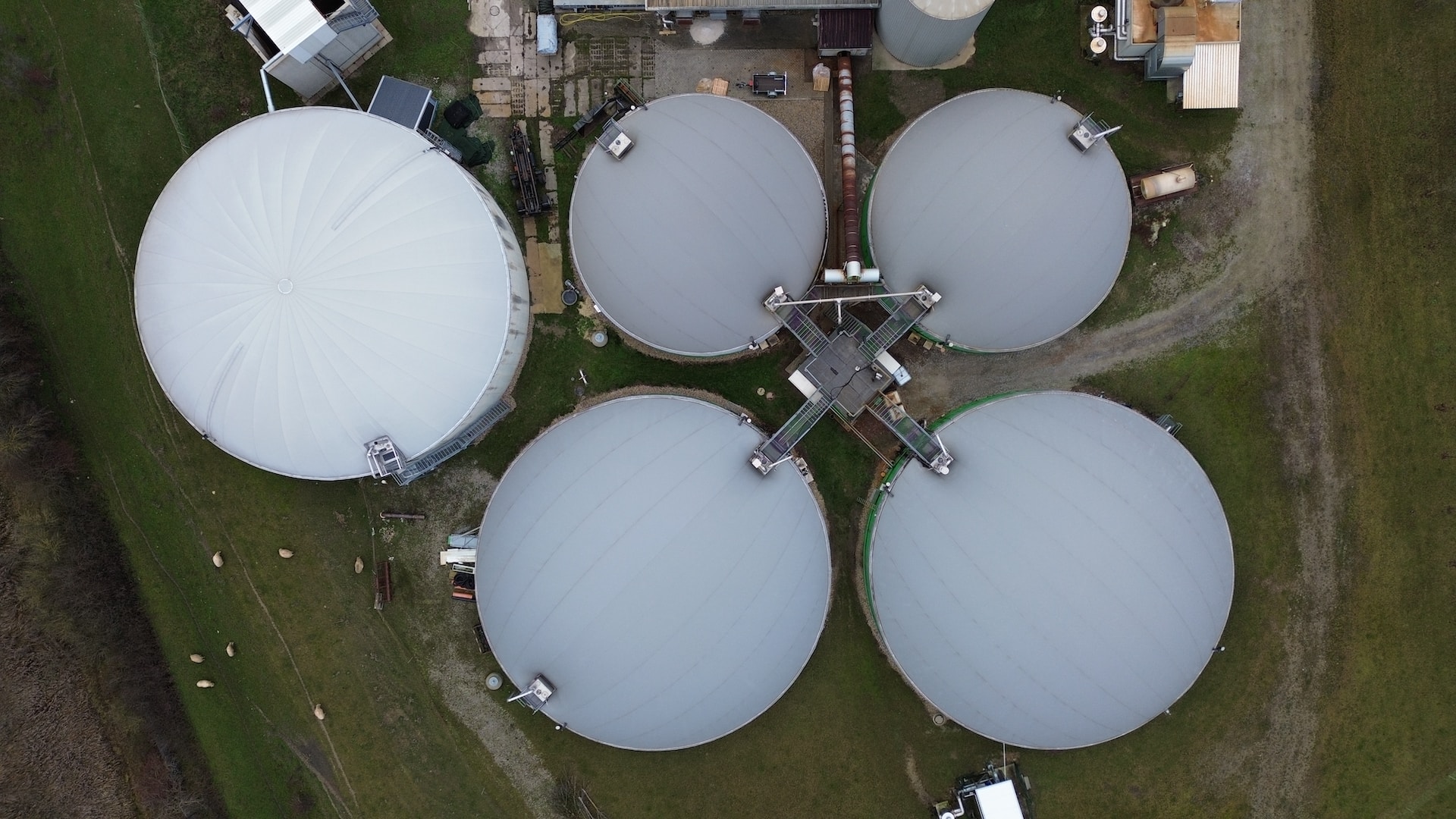
Appropriate digestate post-treatment can increase methane yield
Physical and biological digestate post-treatment strategies demonstrated greater improvements in methane yield than chemical and physico-chemical approaches.
Anaerobic digestion is a technology that combines waste management, nutrient recycling, and the production of renewable energy. However, a significant portion of the feedstock’s energy potential remains untapped in the digestate, limiting methane (CH₄) recovery and overall process efficiency.
In this project, a systematic review and meta-analysis were conducted to evaluate the effectiveness of post-treatment strategies for increasing methane yields from digestate derived from various feedstocks.
The analysis showed that the effectiveness of post-treatment is strongly influenced by feedstock composition, with sewage sludge and agricultural residues being the most extensively studied materials.
Among the post-treatment methods, physical strategies, such as thermal hydrolysis and ultrasonic treatment, as well as biological strategies, such as enzymatic hydrolysis, achieved the largest increases in methane yield (>330 NmL/g VS). In contrast, chemical and physico-chemical treatments resulted in lower methane yields (<220 NmL/g VS), potentially due to microbial inhibition effects.
The results highlight the need for integrated post-treatment approaches and comprehensive techno-economic assessments to enable large-scale implementation and optimize biogas production.
More from the project
The following articles have been published within the project:

Alex Enrich Prast
Linköping University

alex.enrich.prast@liu.se
Project information
Participants
Linköping University
Time schedule
October 2023 - December 2024
Total cost of project
1 313 400 SEK
Swedish Energy Agency project number
2023-00827
Topics
More projects
Maximizing biogas production with post-treatment applications
Report available

Production of hydrogen and biochar from woody biomass via steam iron process utilizing iron ore concentrate
Report available
