


Develop and prepare for commercialization of the surfactant sodium suberin hydrolyzate from industrial birch bark
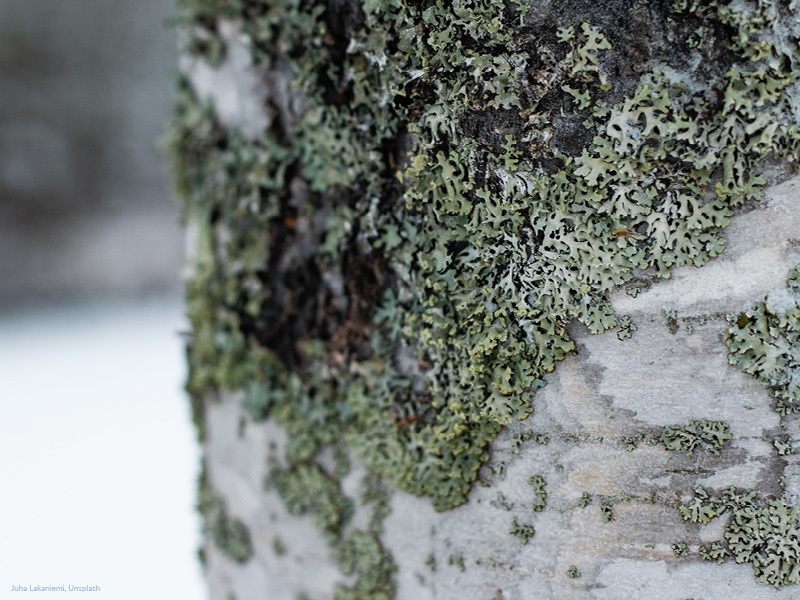
The circular bioeconomy is focused on a sustainable and resource-efficient use of biomass as residues and waste and to optimize its value over time.
This project has aimed to develop and prepare for the commercialization of the surfactant sodium suberin hydrolyzate. Sodium suberin hydrolyzate is a new and unique surfactant bio-based product, which is produced from the residual stream of industrial birch bark, for use in primarily chemical technical products and cosmetics. Industrial bark from the sawmill, pulp and paper industry today is mainly used for energy recovery.
The focus of the project has been, in addition to the commercial preparations, to develop and design a cost-effective commercial process and to optimize the most critical steps. The process challenges are primarily the yield of suberin hydrolyzate at the reactor stage and the efficient separation of sodium suberin hydrolyzate from betulin and other bark material during the pressure filtration step.

Peter Skagerlind
pSk earth adaption

peter.skagerlind@gmail.com
Project information
Participants
pSk earth adaption
Kemibolaget Bromma
Holmen Aktiebolag
KiiltoClean Oy
Orkla
Schedule
January 2022 - December 2023
Total project cost
5 940 000 SEK
The Swedish Energy Agency's project number
2021-00129
More projects
Fossil-free graphite
Graphite is widely used in process industries, E-mobility and digitalisation. Its consumption has increased rapidly due to increased production of lithium-ion batteries…
Manager: Weihong Yang
Completed: 2024-12-31

More energy-efficient sawn-timber drying at sawmills
The drying of sawn timber requires a lot of energy and leads to quality losses, a limited production capacity, and high costs…
Manager: Olov Karlsson
Ongoing
Next generation surveillance of biogas plants using AI – for improved efficiency and resource utlisation
Increased biogas production, e.g. more biogas plants as well as increased production efficiency per plant, is clearly an important approach to reach…
Manager: Anna Schnürer
Ongoing