


Alternatives to clear-cut forestry: effects on biodiversity, carbon sequestration, and other non-timber services
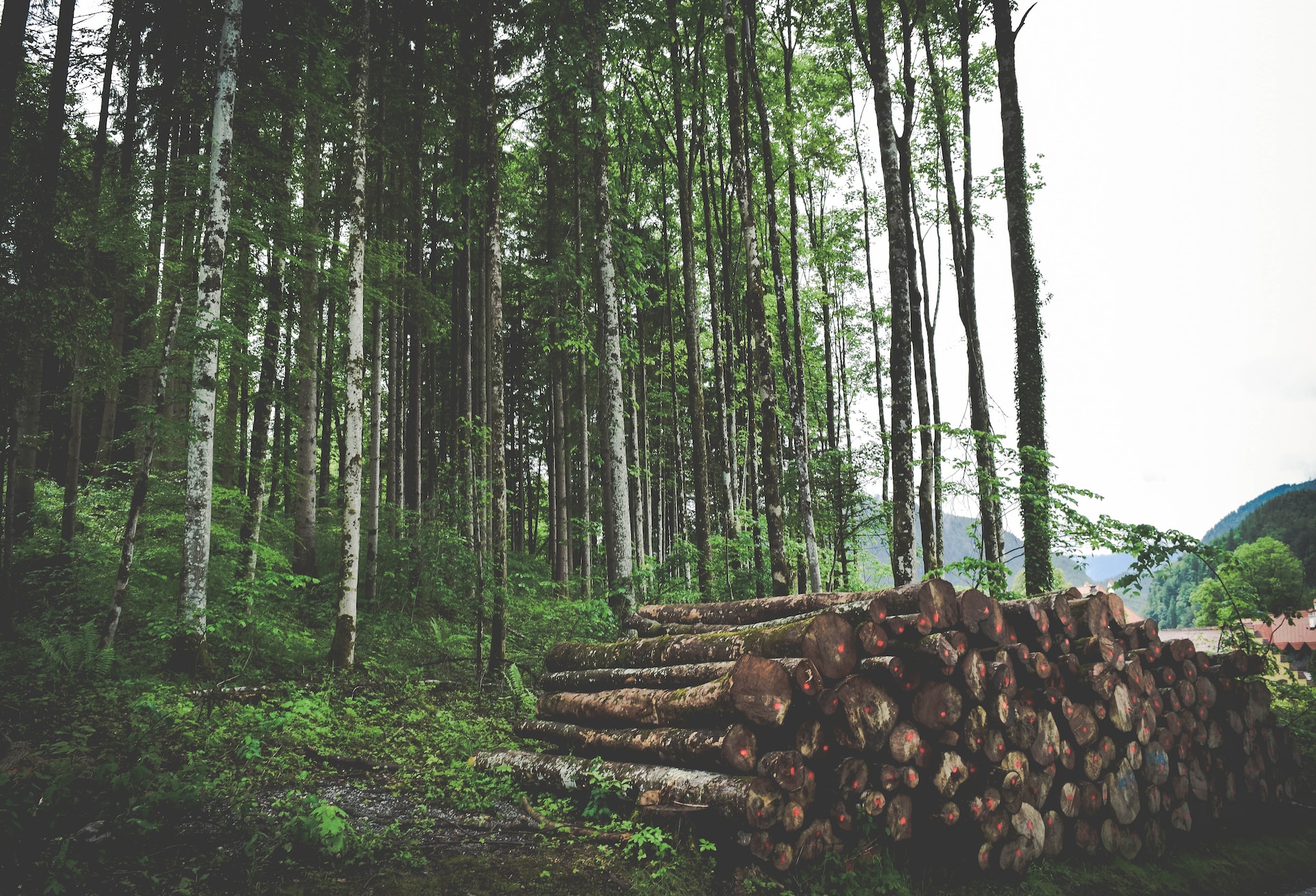
Sustainable production of forest resources is central to the development of sustainable energy systems. Increased use of clear-cut-free methods is often suggested as a path towards greater sustainability. However, this claim lacks empirical support. The goal of the project is therefore to identify and quantify potential differences in the effects on biodiversity and ecosystem services between clear-cut-free methods and clearcut forestry.
We will evaluate the effects of gapcutting and shelterwood as alternatives to clearcut forestry in a large nationwide experiment. We measure the effects on biodiversity (insects, plants, and soil fungi) and on ecosystem services such as berry production, winter forage for reindeer, and forest carbon fluxes (soil respiration and tree growth).
The effects are evaluated in both upland pine and spruce forests and pine forests on peatland. The results will provide a knowledge base and decision support for industry, government agencies, and civil society.

Joachim Strengbom
Swedish University of Agricultural Sciences (SLU)

joachim.strengbom@slu.se
Project information
Participants
SLU
Uppsala University
Time schedule
December 2023 - December 2027
Total cost of project
9 924 454 SEK
Swedish Energy Agency project number
2023-01051
More projects
ECO-FORCE FUELS: ECO-eFficient biORefinery for Competitive production of grEen renewable shipping FUELS
ECO-FORCE FUELS aims to produce low-emission marine biofuels via complete conversion of forest residues. A continuous organosolv process will be used to…
Manager: Pavlos Christakopoulos
Ongoing
CReative Construction Of DefoSSilized Value Chains – CROSS
Deep decarbonization of the society requires rethinking of the production routes and value chains with a radical switch to renewable carbon, utilizing…
Manager: Efthymios Kantarelis
Ongoing
From forest to low greenhouse gas jet fuels with a developed catalytic pyrolysis technology
Bio-oils produced from wood by existing conversion technologies (e.g. pyrolysis) are incompatible with current jet engines and fuel infrastructure. Bio-oil instability, corrosivity,…
Manager: Hoda Shafaghat
Ongoing