


Biorefining of bark in biochemical conversion and in forest-industrial processes
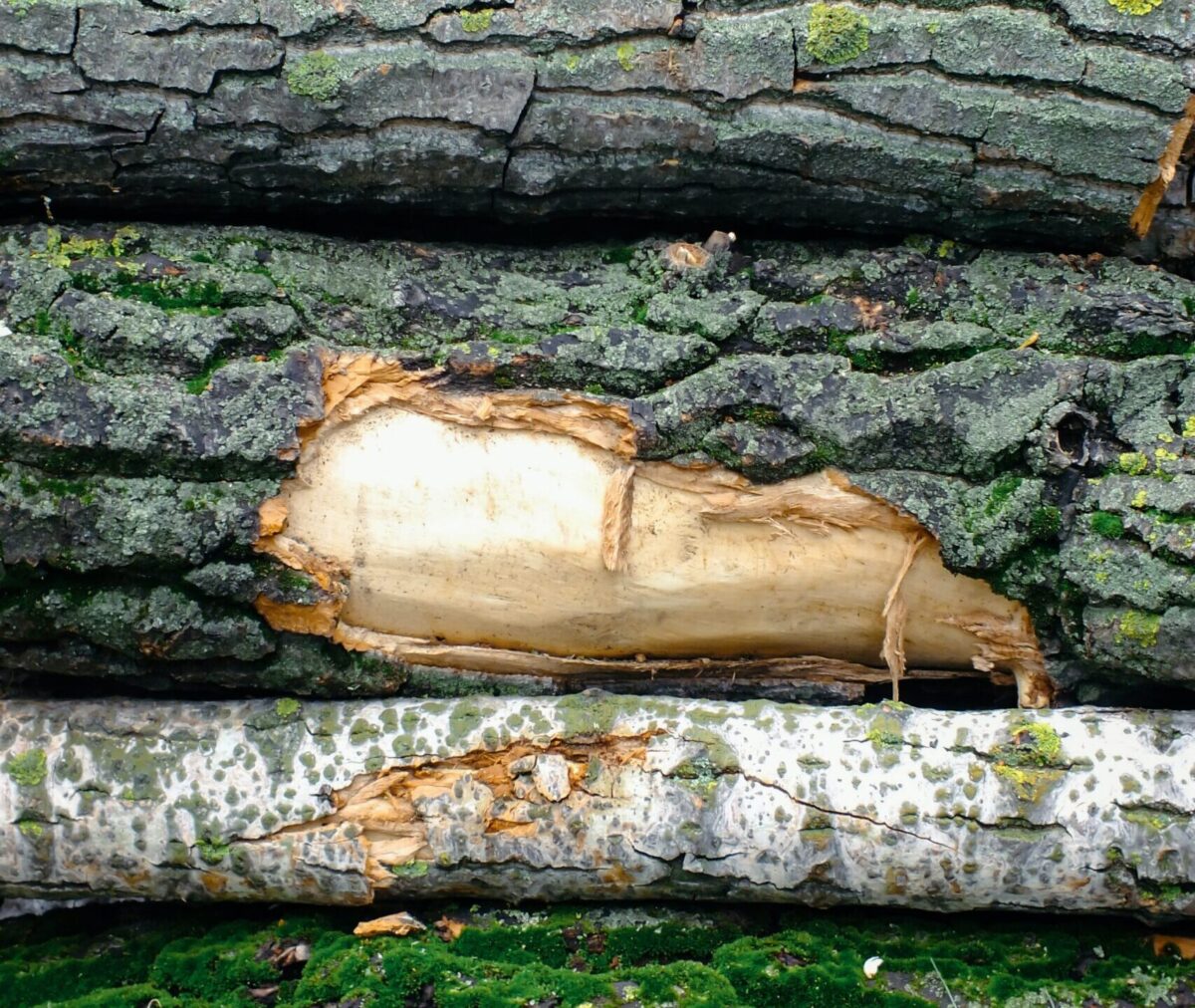
Bark is an underutilized residual stream from pulp and saw mills and its utilization in biochemical conversion is not well investigated.
In this project, the technical and economic potential of separate biorefining of fresh bark through innovative pre-processing technology and green extraction has been examined. The project covers the predominant bark varieties in Sweden, i.e., bark from spruce, pine and birch.
Better use of bark has potential to provide more liquid biofuel without increased withdrawal of forest resources, new products, and improved biochemical conversion.

Leif Jönsson
Umeå University

leif.jonsson@umu.se
Project information
Participants
Umeå University
Swedish University of Agriculture (SLU)
SEKAB BioFuels & Chemicals AB
Time schedule
November 2022 - December 2025
Total cost of project
5 477 816 SEK
Swedish Energy Agency project number
2022-00569
More projects
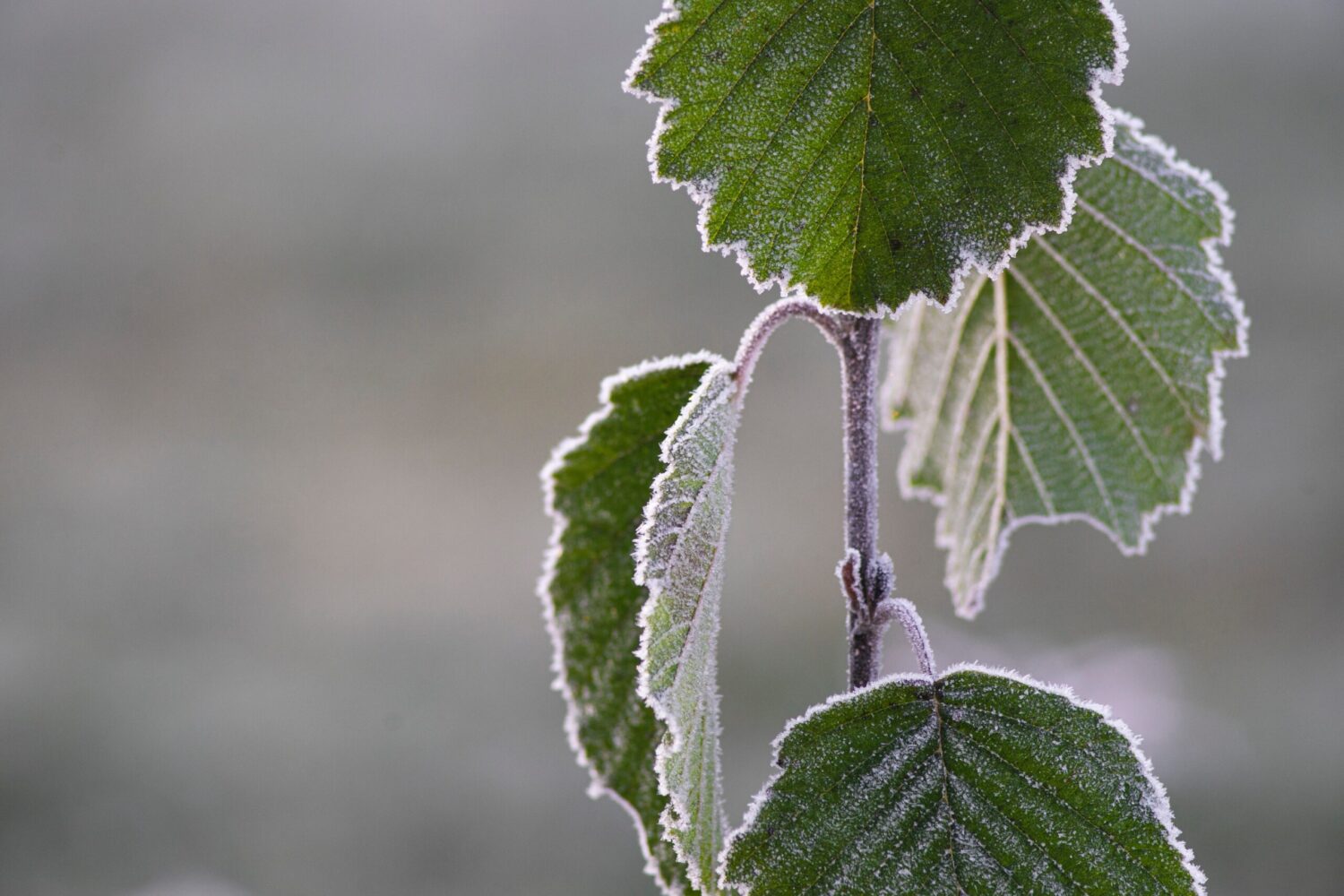
Grey alder as a potential for increased energy-oriented production in Sweden – Evaluation of progeny experiments and their transformation to long-term silvicultural experiments
Fast-growing deciduous tree species have been highlighted as an important contribution to increased biomass production. Gray alder can be a hardy alternative…
Manager: Nils Fahlvik
Ongoing

An insects biorefinery approach as a strategy to unlock the nutritional and energy potential in co-located lignocellulosic industrial side streams (UNLOCK)
The UNLOCK project aims to meet the EU’s Renewable Energby Directive (RED) II by transforming Brewer’s Spent Grain (BSG) into advanced biofuels…
Manager: Paul Christakopoulos
Ongoing
BioGraph – Advancing Biobased Graphite Production for Energy technologies
As the world moves toward achieving net-zero emissions, the contradiction between the demand for high-quality graphite products and its unsustainable production process…
Manager: Lilei Ye
Ongoing