


All-algae textile fibres – Energy efficient harvesting, extraction and textile production (KELPTEX)
Textile manufacturing contributes to 10 % of global CO2 emissions where two-thirds of the textiles are fossil-based.
Current bio-based raw materials – where cotton dominates followed by wood-based materials – are also unsustainable and require arable land, which competes with food production and leads to deforestation. Cotton production is also both chemical and water resource intensive. In addition, traditional textile dyeing, where mainly harmful azo dyes are used, is resource-intensive and accounts for 25 % of textiles’ environmental impact.
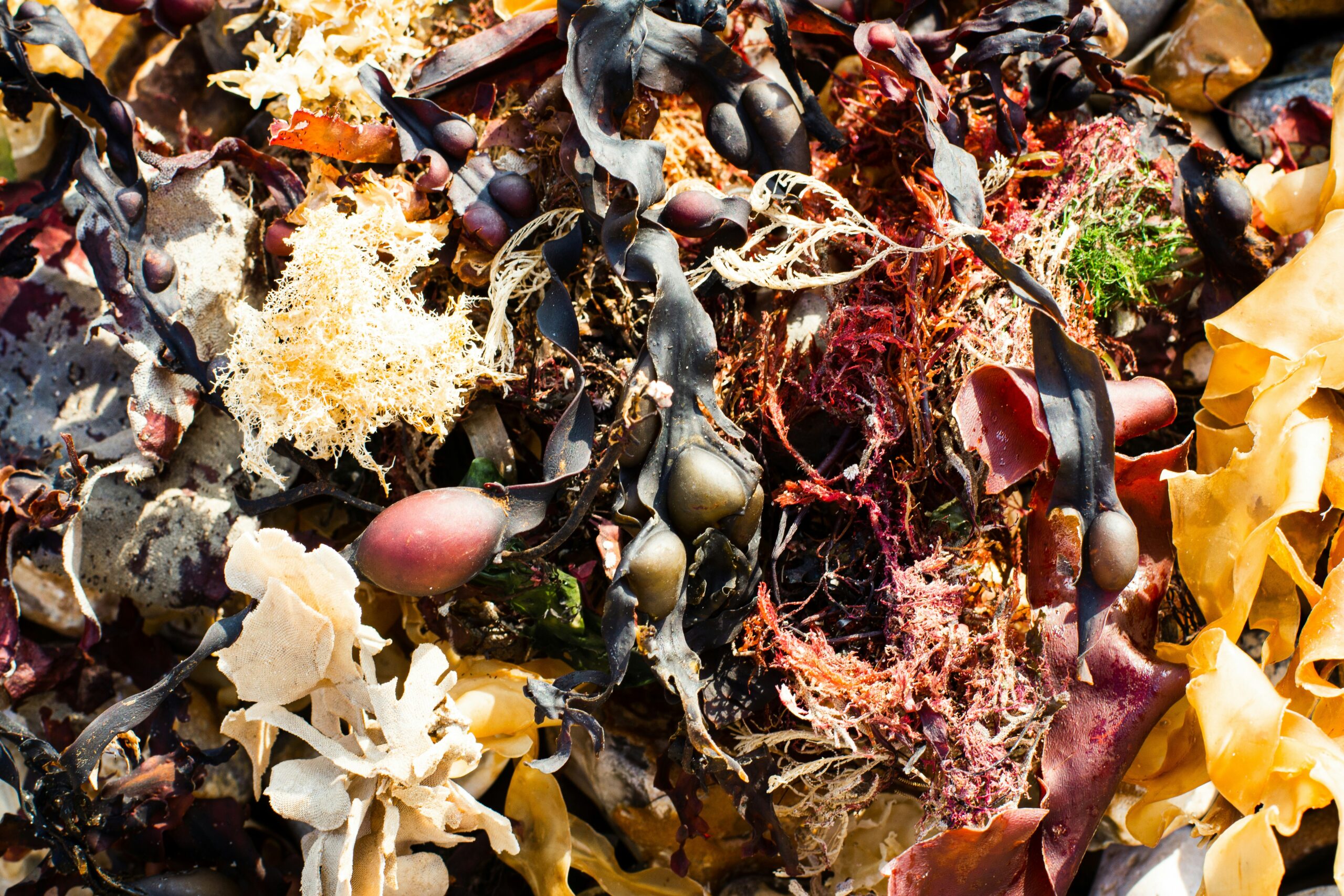
In the EU, aquaculture is considered a growth sector. Seaweed farming has a particularly significant potential, with benefits such as CO2 fixation and reduced eutrophication. In KELPTEX, 100 % algae textile fibres from side streams, dyed with a novel algae pigment, will be developed in an efficient one-step process. These innovative fibres have the potential to replace conventional fibres containing hazardous textile dyes.
Hanna Ulmefors
Chalmers Industriteknik

hanna.ulmefors@chalmersindustriteknik.se
Project information
Participants
Chalmers Industriteknik
Manatee AB
Mounid AB
RISE Research Institutes of Sweden
Time schedule
December 2024 - January 2027
Total cost of project
3 129 509 SEK
Swedish Energy Agency's project number
P2024-02991
More projects

Good-to-go Grot: Detailed forecasts for logging residues extraction and efficient infrastructure for biomass handling
Sweden strives to become fossil-free, and biomass is a key component in this energy transition. By mapping the biomass potentials, this project…
Manager: Maria Iwarsson Wide
Ongoing

Biobased graphene for energy storage – demo plant
Bright Day Graphene has developed a process to mass produce a biobased, high-quality graphene material. The material was developed with the intention…
Manager: Malin Alpsten
Completed: 2024-08-31

Lignin-based batteries
The project aims to develop new natural, water-based organic redox solutions based on lignin, such as electrolytes in a flow coil. These…
Manager: Christian Hulteberg
Ongoing