


Energy efficient fossil-free aviation for regional public transportation in support of a green transition (NORRFLYG)
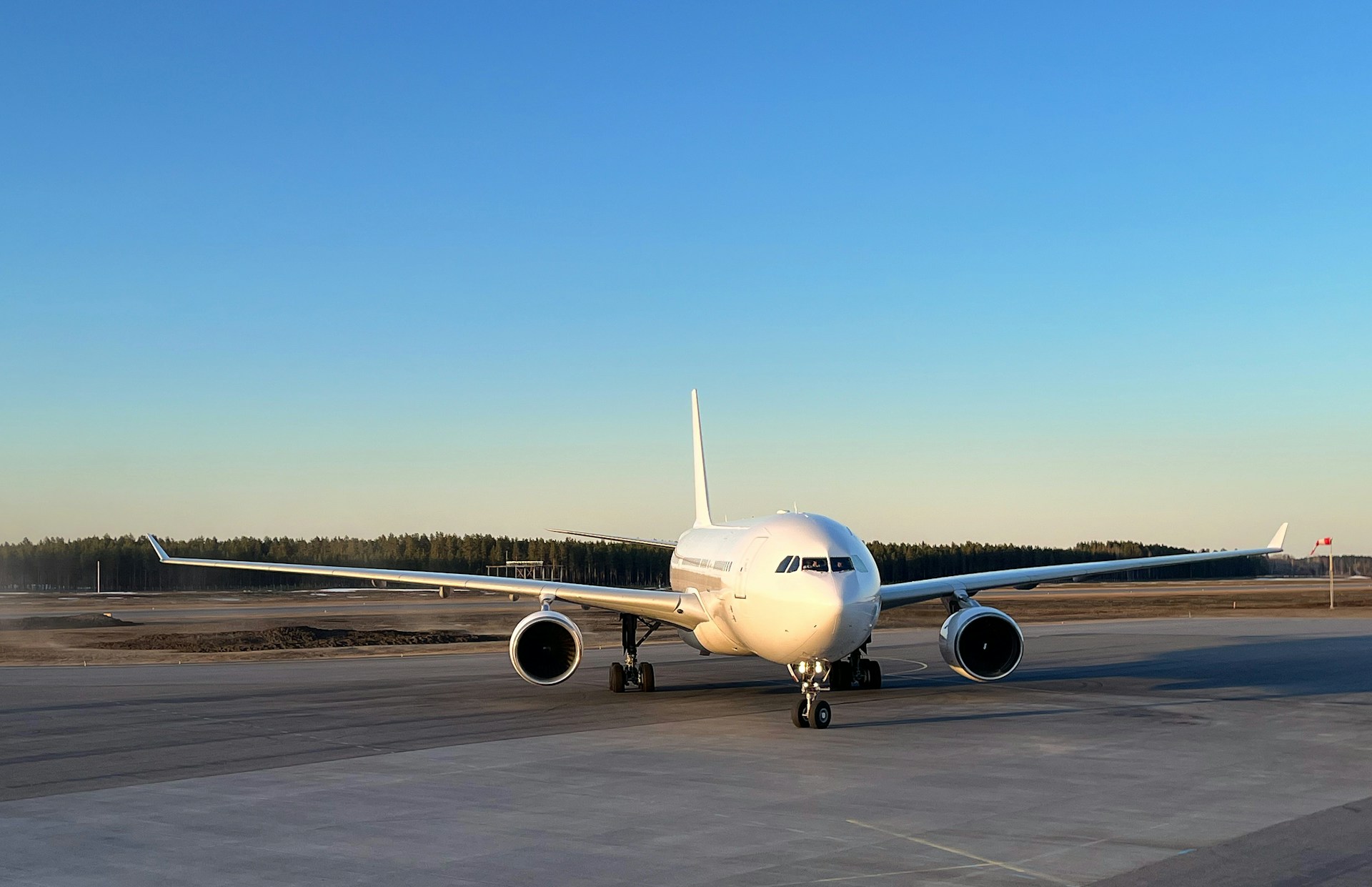
In northern Sweden, the ongoing green industrial transition is creating a growing need for transport solutions for labor, experts, and equipment. Meeting these needs requires new and more flexible transport options. Aviation emerges as a possible alternative, as new air routes can be established more quickly than, for example, railways, which are often characterized by long planning and implementation times. At the same time, the Swedish aviation sector has been in a prolonged period of stagnation, particularly in domestic air travel. A central challenge is that aviation in Sweden, unlike in countries such as Norway, is currently not integrated into regional public transport. This means that regional public transport authorities lack the mandate to procure air services, and aviation is planned separately from other modes of transport.
NORRFLYG has analyzed how fossil-free regional aviation can contribute to a more energy-efficient and accessible transport system in northern Sweden. The project shows that the main barriers to fossil-free regional aviation are not primarily technological, but institutional and economic. Electric and hybrid aircraft require continued technological development as well as substantial investments in airport infrastructure, charging systems, and new operational solutions. Sustainable aviation fuels, on the other hand, can already reduce aviation’s climate impact today, but are not yet used to their full potential, partly due to high costs and limited economic viability.
By combining institutional analysis with transport modeling and network optimization, the project shows that a more decentralized aviation network with regional nodes can provide better accessibility, reduced energy use, and higher energy efficiency than today’s centralized system. The project also shows that EU regulations already allow the procurement of air services as public transport. At the same time, Swedish legislation limits the mandate of regional public transport authorities to land-based transport modes.
The project’s results provide a basis for policy development, regional transport planning, and the continued transition of Swedish aviation. The knowledge generated can be used by authorities, regions, and industry actors to develop fossil-free, multimodal transport solutions that coordinate aviation, rail, and road transport to strengthen accessibility in northern Sweden and support the green industrial transition.

Jonas Westin
Umeå University

jonas.westin@umu.se
Project information
Participants
Umeå University
VTI, Swedish National Road and Transport Research Institute
Time schedule
April 2024 - March 2026
Total cost of project
3 618 000 SEK
Swedish Energy Agency project number
2023-01429
More projects

Reserve power service based on biogas
This project is about a service for back-up power supply with biogas. It will develop overall technical and business concepts for such…
Manager: Steve Karlsson
Ongoing

CelluXtreme – Feasibility study for scaleup
CelluXtreme has a unique technology for spinning strong fibers from 100% nanocellulose with green chemistry and with low emissions to air and…
Manager: Anna Wiberg
Ongoing

The future of biofuel production in the EU – potentials, technologies and policies
Biofuel markets in the EU are undergoing rapid changes. Changes in the policy landscape due to increased climate ambitions is expected to…
Manager: Jonas Zetterholm
Ongoing