


Sustainable cultivation of root sucker generated hybrid aspen
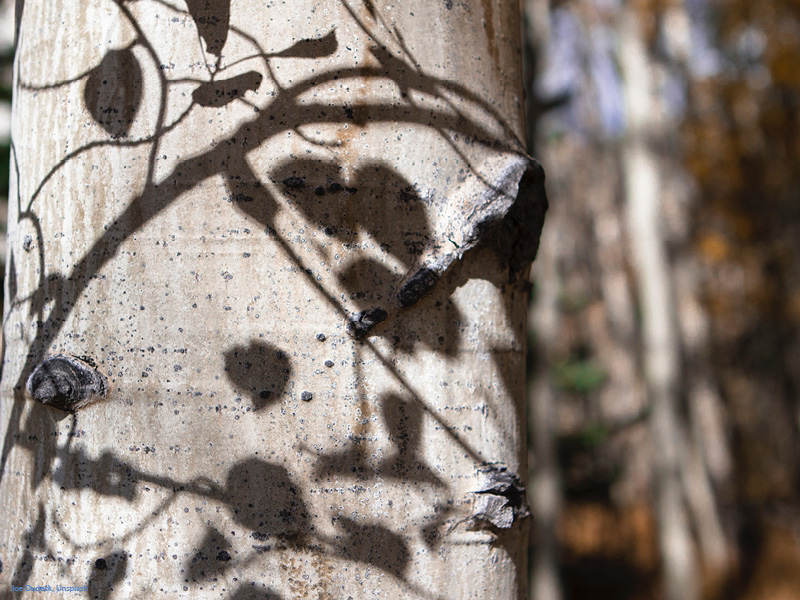
Hybrid aspen is a fast-growing broadleaved tree species that can contribute to the transition towards renewable raw materials and energy sources to replace fossil alternatives. Hybrid aspen is a cross between European and American aspen that has shown high biomass production, especially on fertile sites and former agricultural land. Current concepts for managing hybrid aspen include planting with sparse spacing, one or two thinnings and final harvest at 25-30 years of age. After harvesting, hybrid aspen regenerates vegetatively through root suckers that can become very dense. Previous studies have shown that the initial growth of this regeneration is rapid and can reach high biomass production within a few years. There is thus potential to manage these stands with a focus on biomass production with short harvesting intervals. In contrast to the planted forest, experience with vegetatively regenerated hybrid aspen has been limited. This project aimed to evaluate growth, production and sustainability of management concepts with different harvesting intervals in root sucker regenerated hybrid aspen.
In this study, we have followed an experiment that was established in 2009 after the felling of a planted stand of hybrid aspen on former agricultural land in southern Sweden. In the experiment, we have tested management alternatives with four, eight and 16-year felling intervals, respectively. The latter two alternatives included corridor thinnings to prevent self-thinning. The alternatives with four and eight-year intervals were aimed at biomass production with high stem numbers. The alternative with a 16-year rotation length was precommercially thinned early to conventional stem numbers (approximately 1100 stems per hectare) for management aimed at both biomass and roundwood production. Within this project period, the planned trial period of 16 years has been completed. This means that the treatments with four, eight and 16-year harvesting intervals have completed four, two and one rotation period, respectively.
During the 16-year trial period, the total dry matter removal from living trees was approximately 170 tonnes per hectare for the four- and eight-year rotations. Within the 16-year rotation, the total removal from thinning and final felling was approximately 220 tonnes per hectare, of which 170 tonnes was from stem wood at final felling. This means that net production (removal of living trees) averaged 11-13 tonnes of dry matter per hectare and year within the trial. There is thus great potential for biomass harvesting from vegetatively regenerated hybrid aspen. In contrast, the four-year rotation showed variation in both stem number and production, with a clear decrease during the last rotation.
The choice of management program has a great impact on the assortment that can be produced. Shorter rotation periods result in smaller dimensions and are primarily suitable for biomass production. The alternative with a 16-year harvesting interval in combination with corridor thinning and precommercial thinning resulted in larger trees, with a large proportion reaching dimensions for pulpwood and timber. This enables different areas of use and creates flexibility in relation to the market.
In summary, the project shows that vegetatively regenerated hybrid aspen has a high production potential and offers flexibility in how the stands can be managed depending on goals and market conditions. The results provide important information for balancing high biomass production with long-term sustainability. The study particularly points out that repeated short rotation periods can pose risks for reduced production.

Nils Fahlvik
Skogforsk

nils.fahlvik@skogforsk.se
Project information
Participant
Skogforsk
Schedule
January 2022 - December 2025
Total project cost
815 000 SEK
The Swedish Energy Agency's project number
2021-00065
More projects

Production of hydrogen and biochar from woody biomass via steam iron process utilizing iron ore concentrate
This project examines a novel method for production of hydrogen and biochar from forestry residues. The principal idea is an integrated process…
Manager: Magnus Rydén
Ongoing
Pulping of waste wood
In the time when the awareness of the biomass as a limited resource drives the efforts to increase resource efficiency (in the…
Manager: Merima Hasani
Ongoing
Development of bio-sustainable binder for battery electrode manufacturing
Polyvinylidene fluoride (PVDF) binders make up around 2-3% of a lithium-ion batteries (LIB) electrode’s mass and are crucial for battery integrity, safety,…
Manager: Jinhua Sun
Ongoing