


Biogas Potential from Mechanically Sorted Biowaste: Quality, Process and System Effects
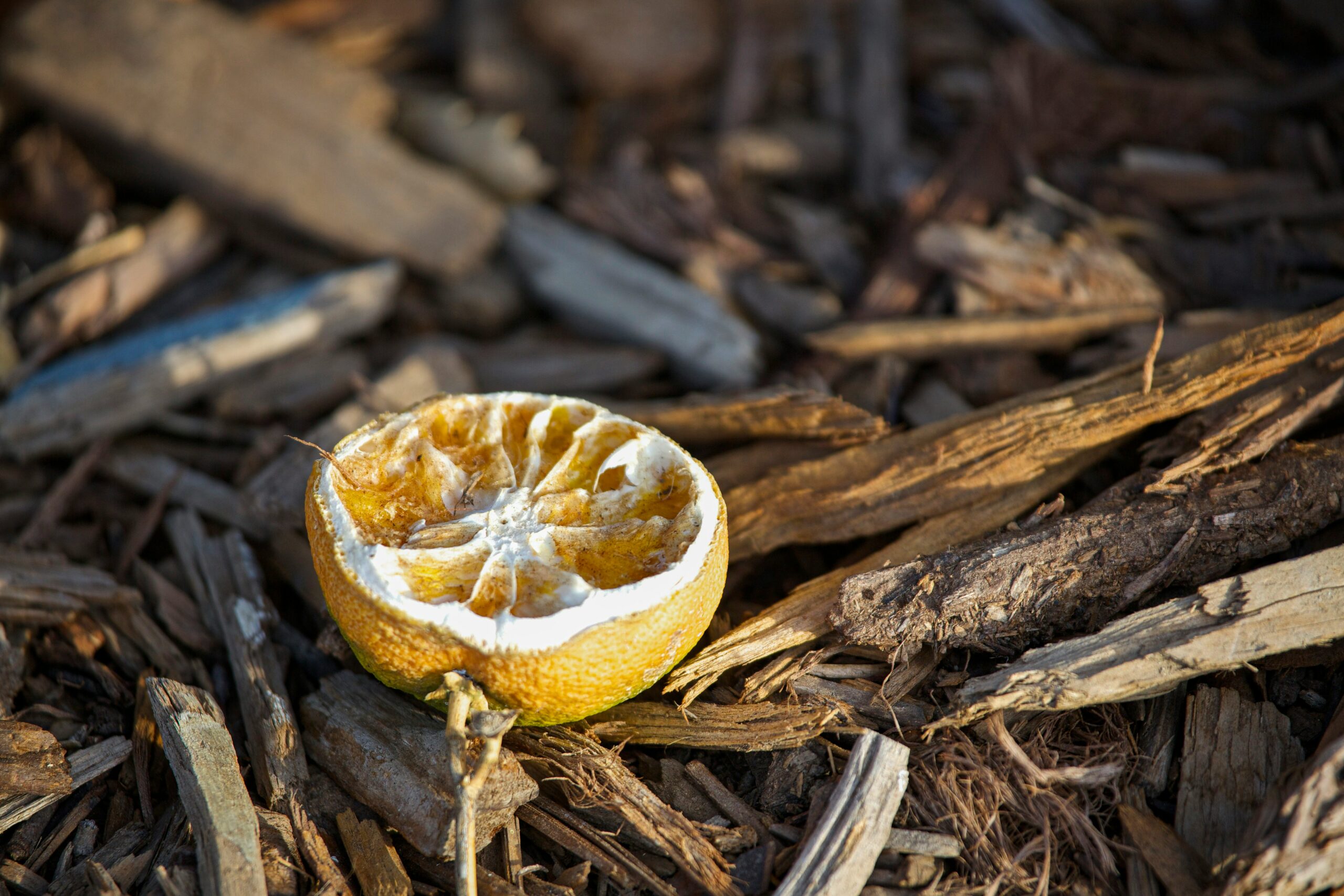
A large share of household food waste still ends up in residual waste and is incinerated, despite requirements for separate collection. As a result, a significant amount of biodegradable material is not utilized for biogas production or nutrient recycling. At the same time, knowledge is lacking about the potential of bio-waste mechanically sorted from residual waste (MUOF).
This project investigates whether MUOF can become a new, resource-efficient feedstock for biogas production and digestate use as fertilizer. We conduct the project in three steps:
- We map material composition and contamination levels.
- We carry out lab scale digestion tests and analyse process stability, methane yield, and digestate quality.
- We assess system effects using scenarios and Life Cycle Assessment (LCA), comparing anaerobic digestion with incineration from an environmental and resource perspective.
The project will deliver scientific evidence on whether MUOF can contribute to increased biogas production in Sweden. The results target municipalities, waste management companies, biogas producers, and policymakers. They can support investments, policy development, and new business models for a more resource-efficient and fossil-free energy system.
Photo: Matthew Mentley, Unsplash

Niclas Svensson
Linköpings Universitet

niclas.svensson@liu.se
Project information
Participants
Linköpings Universitet
Tekniska Verken i Linköping AB
Avfall Sverige
Biototal
Time schedule
april 2026 - december 2028
Total cost of project
5 315 006 SEK
Swedish Energy Agency project number
2025-04922
More projects

ECO-FORCE FUELS: ECO-eFficient biORefinery for Competitive production of grEen renewable shipping FUELS
ECO-FORCE FUELS aims to produce low-emission marine biofuels via complete conversion of forest residues. A continuous organosolv process will be used to…
Manager: Pavlos Christakopoulos
Ongoing

An insects biorefinery approach as a strategy to unlock the nutritional and energy potential in co-located lignocellulosic industrial side streams (UNLOCK)
The UNLOCK project aims to meet the EU’s Renewable Energby Directive (RED) II by transforming Brewer’s Spent Grain (BSG) into advanced biofuels…
Manager: Paul Christakopoulos
Ongoing
Biogas Potential from Mechanically Sorted Biowaste: Quality, Process and System Effects
A large share of household food waste still ends up in residual waste and is incinerated, despite requirements for separate collection. As…
Manager: Niclas Svensson
Ongoing