


Paulownia – A new possibility for energy and climate transition in Sweden
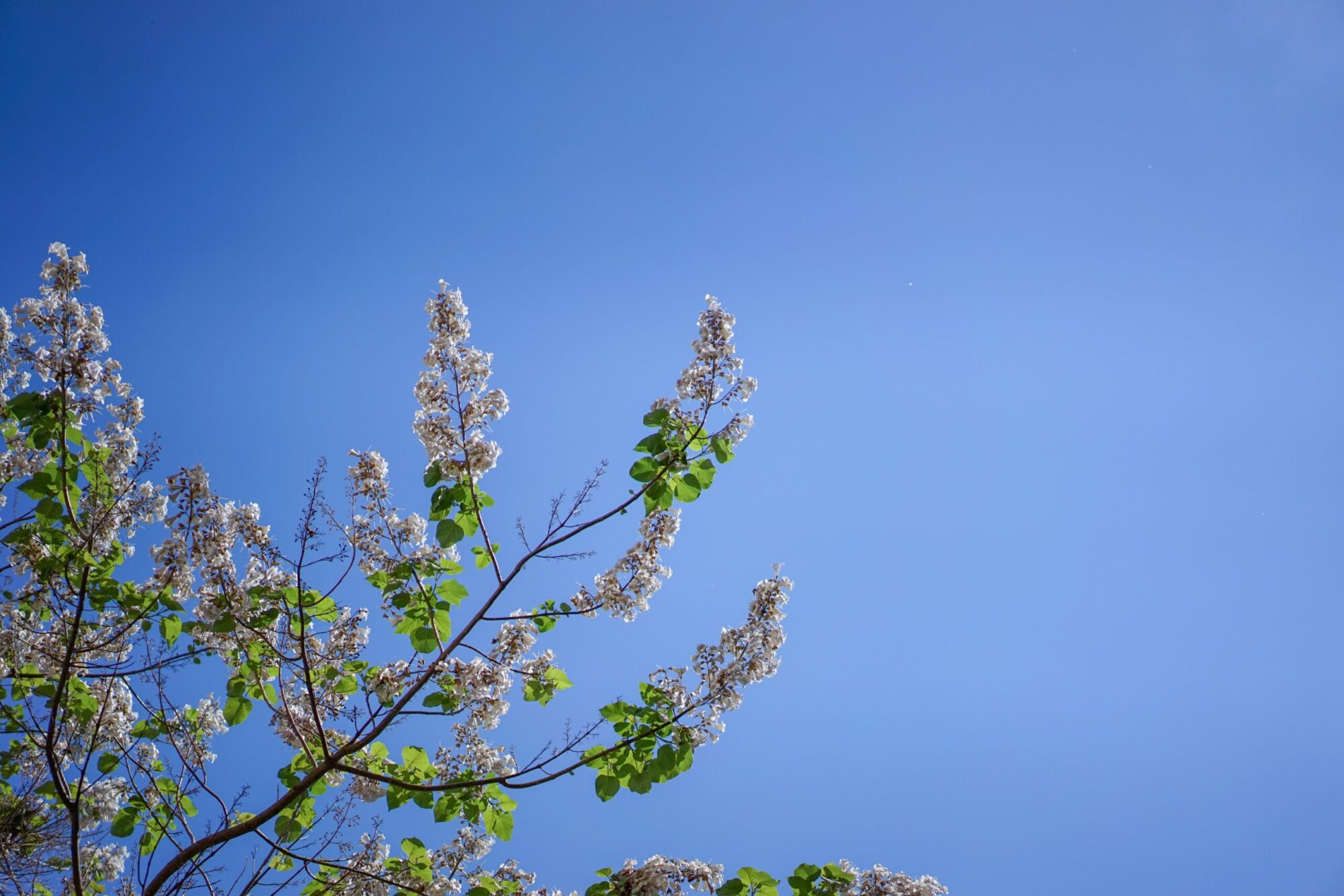
How can Paulownia be commercially grown in Sweden?
This project has investigated what is needed to succeed in cultivating Paulownia in Sweden. Paulownia possesses characteristics such as high carbon dioxide uptake during the growth phase and high biomass and timber yields at harvest. From a broader perspective, Paulownia can create new opportunities for a local circular economy.
Paulownia is a deciduous tree species with exceptional growth and carbon dioxide uptake capacity that produces high biomass and timber yields in a short time. Cold-resistant varieties of the species have been developed with approximately three times the biomass growth as can be seen in Salix, and about ten times the biomass growth seen in spruce and pine.
Paulownia is grown in, for instance, Germany and Poland, but its extreme frost sensitivity in the first year has ruled out successfull commercial cultivation in Sweden. How can that change?
This study has identified obstacles and opportunities related to anything from cultivation techniques and soil issues to timber production. This has been acheived in through direct contact with Paulownia suppliers, grower networks, landowners, researchers, timber buyers and processors, and authorities.
According to the gathered knowledge, Paulownia cultivation in Sweden could create new opportunities for cost-effective and surface-efficient production of biomass, substituting fossil raw materials and energy and contributing to increased security of supply of bio-based energy.
Some positive effects of Paulownia cultivation is that the species does not compete with agricultural crops or pose a threat to biodiversity. Also, the risks associated with bark beetles are neutralized. Furthermore, using abandoned agricultural land for cultivation has advantages compared to conventional forestry.
With this knowledge as background, the next step is to establish a test plantation. Here, different cultivation methods can be used, evaluated, and developed under controlled conditions in order to investigate the optimized circumstances for maximize survival rates and biomass growth.
Jarmo Spiik
Klimatskoga i Sverige AB

jarmo@klimatskoga.se
Project information
Participants
Klimatskoga i Sverige AB
2050 Consulting AB
Schedule
September 2022 - January 2023
Total project cost
587 500 SEK
Swedish Energy Agency's project number
2022-00604
More projects
Substitution of fossil-based carbon with lignin in furnace electrodes for the metallurgical industry
At present, the metallurgical industry is using large quantities of fossil-based carbons. For example, manufacturing of anodes and cathodes for the primary…
Manager: Peter Rättö
Ongoing
Navigating synergies and tradeoffs towards future forest-based solutions
The Swedish forest sector faces demands for increased carbon storage in the forest and changed management methods that result in reduced production,…
Manager: Göran Berndes
Ongoing

Increased yield of sustainable aviation fuels from Kraft lignin by multi-strategy approach: fractionation, lignin derivatization, hydroprocessing
Lignol® is a lignin based bio-oil designed to be compatible with existing refinery infrastructure. Being a lignin based product allows for production…
Manager: Marcus Jawerth
Ongoing