


Novel bio-based, hygroscopic insulation materials for enhanced energy performance and robustness of buildings
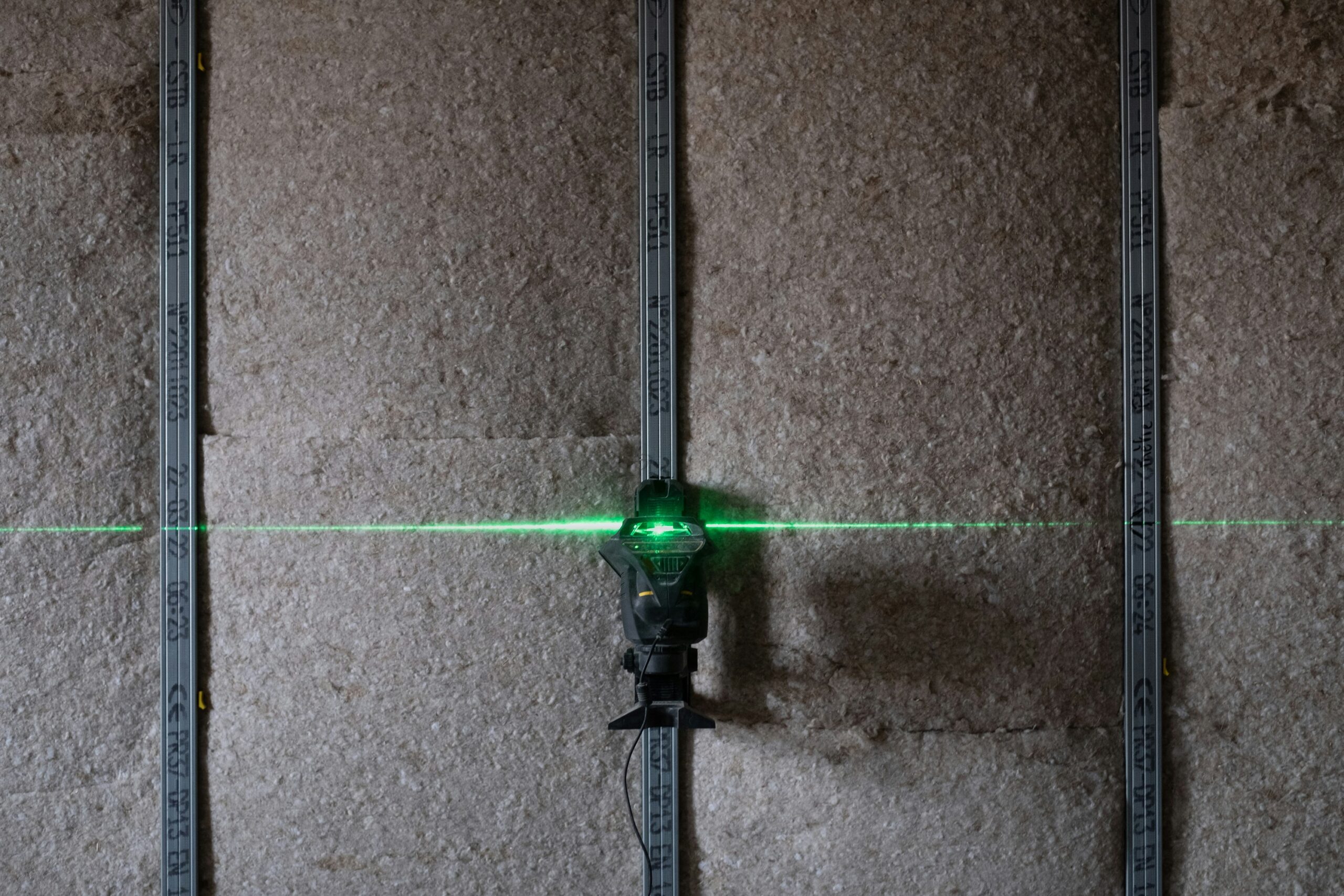
The construction sector in Sweden stands for about 22 % of total greenhouse gas emissions. Reducing the embodied carbon in new buildings can be achieved by a transition to bio-based insulation materials since conventional insulation accounts for about 20 % of the total embodied carbon. Additionally, bio-based materials are hygroscopic, i.e. they absorb moisture from the air which releases heat. Previous studies have shown that this is positive for the thermal performance of a building. Furthermore, hygroscopicity is advantageous in case of temporary moisture loads.
We will study the function and use of biobased insulation materials, and, by use of chemical modification, examine how the hygroscopic properties can be tailored to further enhance a building’s energy performance and robustness to temporary moisture loads.
The project is a collaboration between Lund University, University of Copenhagen and stakeholders from the construction sector included in the reference group.
Maria Fredriksson
Lund University

maria.fredriksson@byggtek.lth.se
Project information
Participants
Lund University
University of Copenhagen
Arbio Aktiebolag
Boverket - the Swedish National Board of Housing, Building and Planning
Evia AB
Hunton Fiber AB
Optimera Svenska AB
Södra
The Swedish Federation of Wood and Furniture Industry
Time schedule
January 2025 - December 2027
Total cost of project
8 549 483 SEK
Swedish Energy Agency project number
P2024-02943
More projects
Evaluation of industrial symbiosis between fish farming and a hydrogen plant in Alby
Fish farm makes use of residual heat and oxygen from hydrogen plant In this study, the processes, sustainability, production costs, and handling…
Manager: Elena Petukhovskaya
Completed: 2024-03-15

Oxy-Kraft recovery boiler – Towards novel integrated green energy parks
Kraft recovery boilers, i.e., boilers burning pulping industry spent liquor (black liquor) and recovering pulping chemicals, generate both electricity and heat. Black…
Manager: Shareq Mohd Nazir
Ongoing

Forest production, climate benefits, and sustainability? Effects of 42 years of nitrogen fertilisation at a field site in Västerbotten County
The aim of the project is to shed light on the possibilities and consequences of forest fertilisation at different intensity. In a…
Manager: Eva Ring
Ongoing